
Frequently Asked Questions
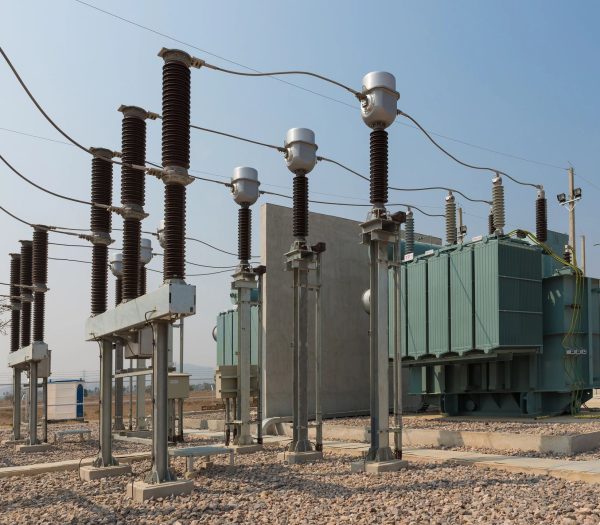
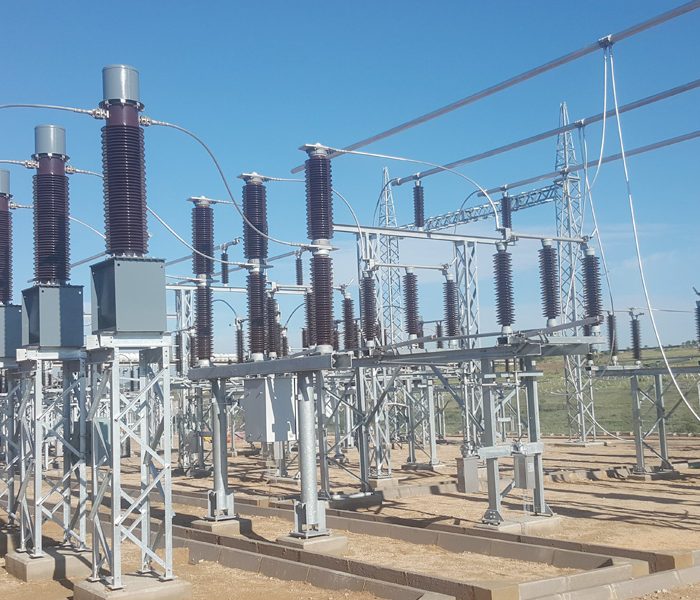
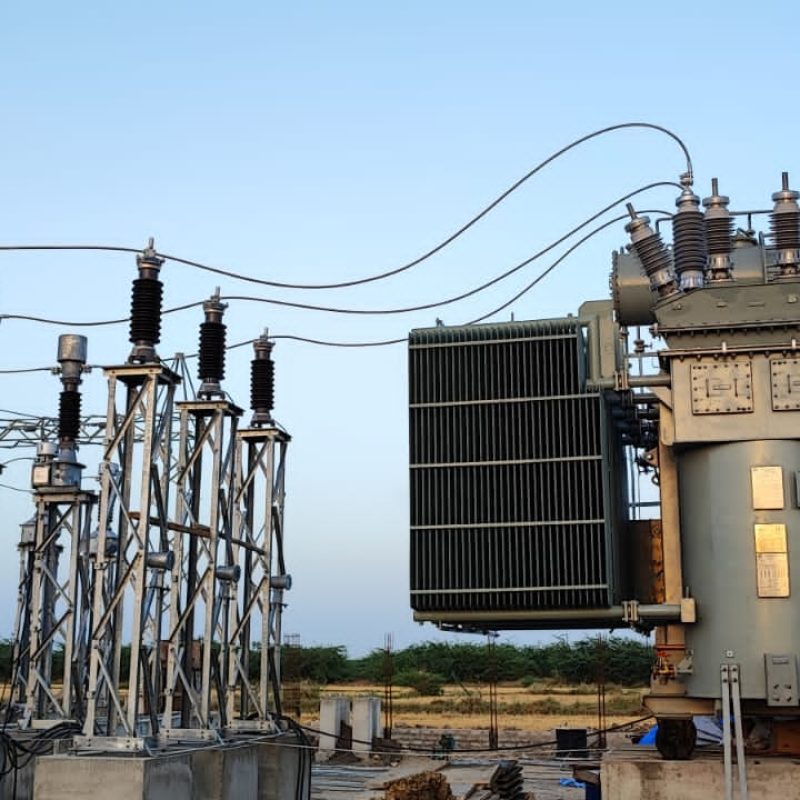
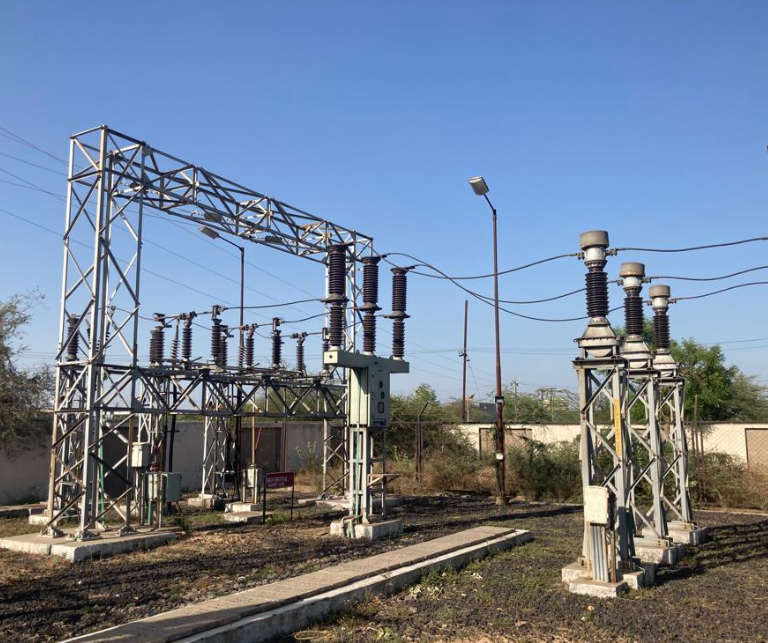
Bay erection is the process of assembling and installing electrical equipment in a substation. A substation is a self-contained unit that contains all the equipment necessary to control and distribute electricity to a specific area.
Bay erection is crucial in substation projects as it ensures the proper functioning and integration of electrical components. It allows for the efficient transmission, distribution, and control of power within the substation, enabling reliable and safe operation.
The steps involved in bay erection vary depending on the type of substation and the equipment being erected. However, the general steps involved as follow:
- Site preparation
- Foundation construction
- Erection of the switchgear
- Erection of the transformers
- Erection of the other equipment
- Testing and commissioning
Yes, bay erection can be customised to meet the specific requirements of a project. It involves collaboration between engineering teams, project stakeholders, and substation designers to ensure that the bay layout, equipment selection, and integration align with the project’s goals and technical specifications.
Key safety considerations during bay erection include wearing appropriate personal protective equipment (PPE) and following proper lockout/tagout procedures for electrical safety. Fall protection, equipment/machinery safety, fire safety, handling hazardous materials, safety training, and site security are also crucial.
Testing and maintenance are of utmost importance in bay erection to ensure the reliability, functionality, and safety of the constructed bay. Testing validates the proper operation of equipment and systems, while maintenance helps identify and address issues, ensuring optimal performance and minimising the risk of failures or outages